


Why You Should Attend the Home Inspection
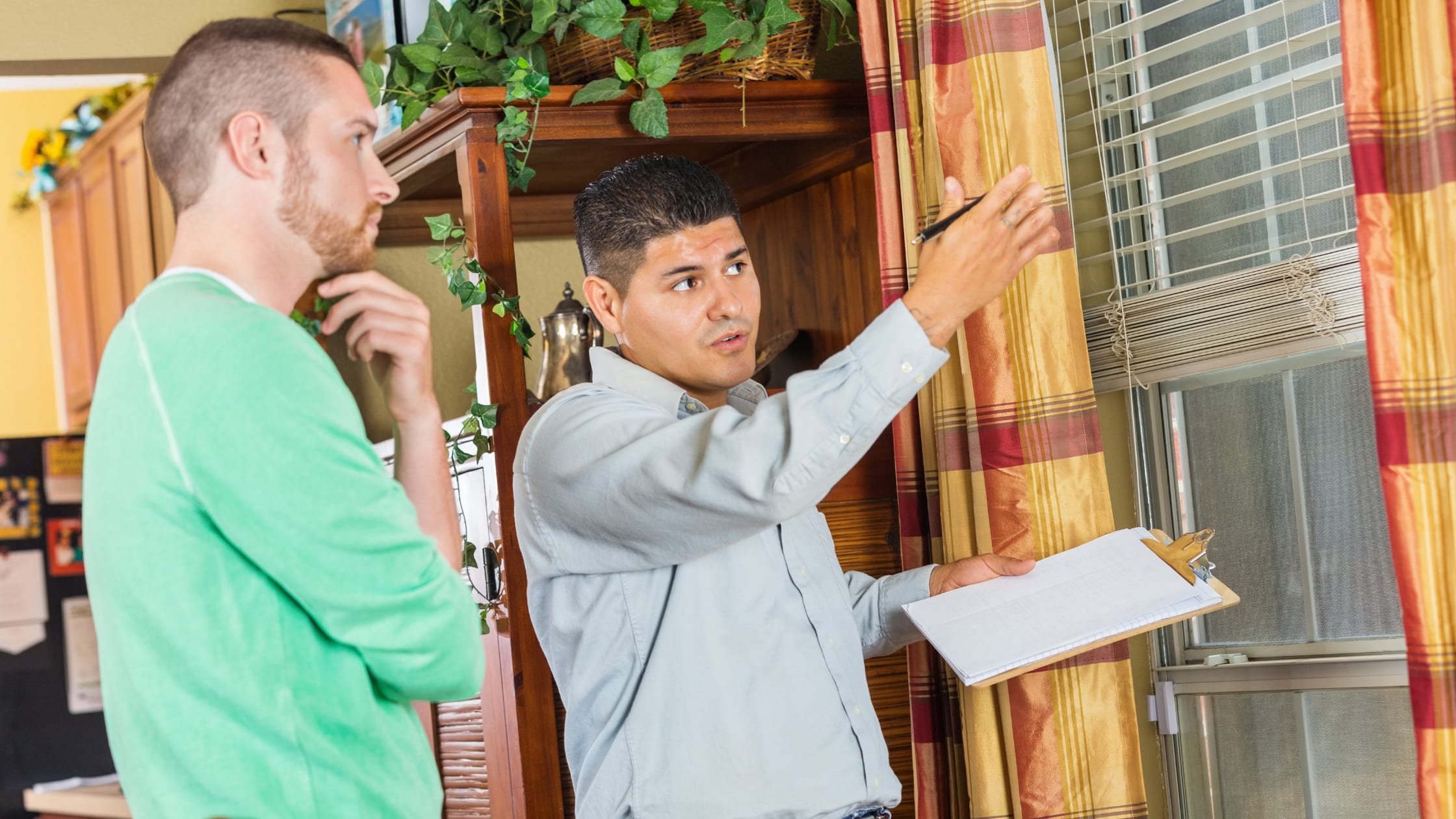
Attending the inspection is one of the most important parts of buying a home. It’s a major investment with long-term consequences, and being onsite helps you confirm the home’s condition, see issues firsthand, and ask follow-up questions.
While you’ll receive a written report after the inspection, it can’t match the clarity of being there in person. Without construction experience, it’s also hard to weigh major defects versus minor issues—for example, ungrounded outlets may feel alarming, but basement water seepage is typically far more serious and costly to fix.
Tips for Attending Your Inspection
- Plan your time: Condos take about 2 hours; single-family or multi-unit homes take about 3 hours. Please plan to stay the entire time.
- Set expectations: Inspectors aren’t psychic—reports focus on visible conditions. A “clean” report doesn’t guarantee future issues won’t arise.
- Ask questions: If you don’t understand a finding, ask the inspector to explain whether it’s minor or potentially expensive to repair.
- Bring a tape measure: Get room measurements now; access may be limited until the final walkthrough.
- Include key people: If you want input from family/friends on inspection items, furniture layout, or décor, bring them to the inspection.
- Line up estimates: Planning work after closing? Coordinate contractors, painters, or floor refinishers to stop by during the inspection for onsite estimates. Need referrals? Contact us.
- Be ready to pay: Most inspectors collect payment at the end—bring a checkbook or credit card (methods vary).
- Watch your inbox: Reports usually arrive within 2 days. Please email it to us when received; we’ll review together and decide what repairs or credits to request.
Remember: The Point of the Inspection Is to…
- Identify safety issues.
- Assess potential structural concerns.
- Verify that major systems and appliances work (HVAC, electrical, plumbing, etc.).
What the Inspection Is Not For
We’re not there to nitpick cosmetics (paint colors, a dented fridge door, dusty gutters, a routine furnace cleaning, etc.). Unless you’re buying new construction, no home is perfect. If perfection is the goal, consider new construction; otherwise we focus on safety and functionality—and accept minor cosmetic flaws or continue the home search.
Before You Go
- Download and bring this inspection checklist. While the inspector works, your job is to check off each item.
- Bring a tape measure for furniture planning.
- Photograph every room and closet for later reference (paint, shelving, storage, layouts).
Questions about your inspection? Contact us—we’re here to help.